Română
 Serbian
Thematic route: The cultural heritage route
Name of the touristic attraction: The Legends about the origins of the Villages’ names Rajac and Rogljevo
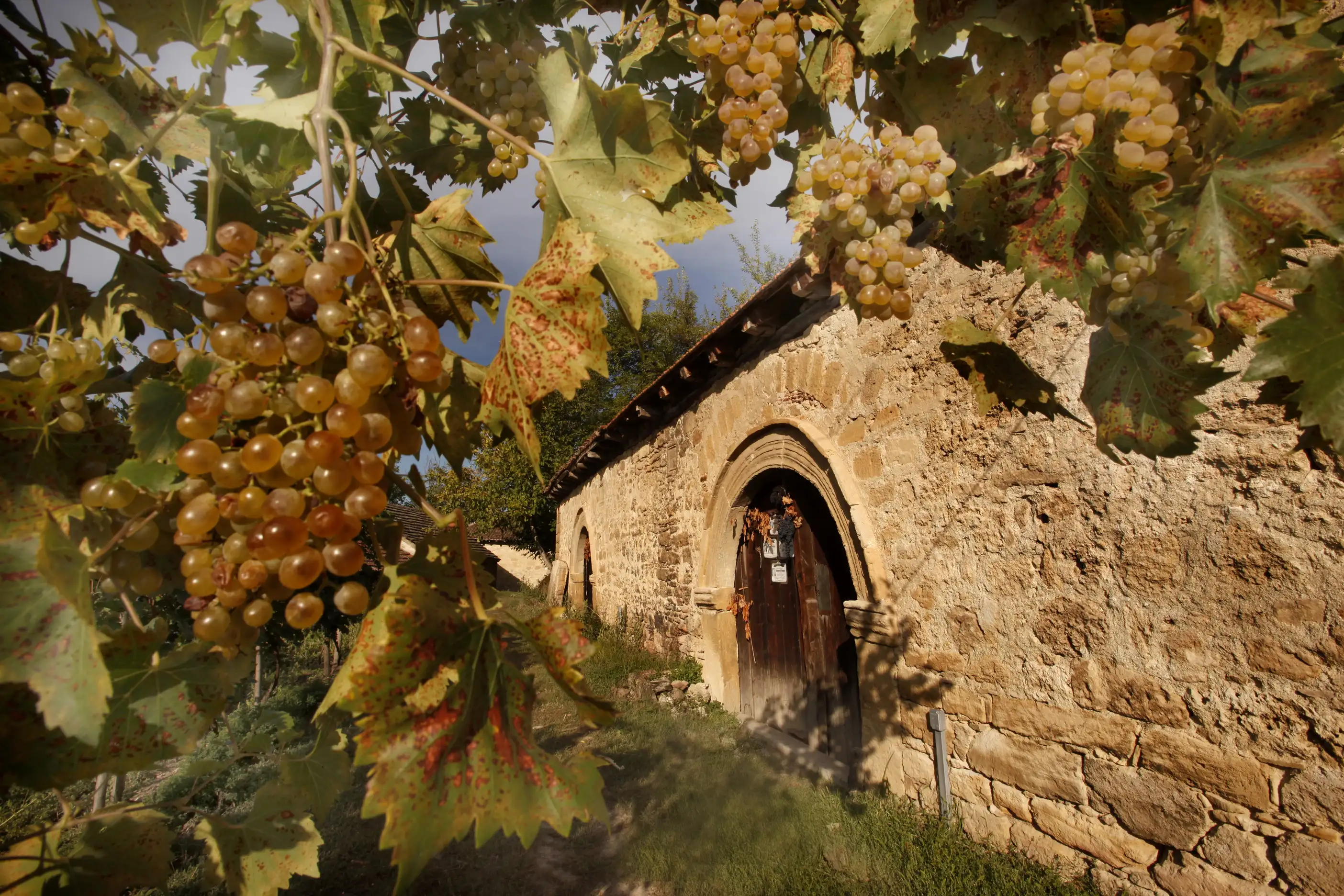
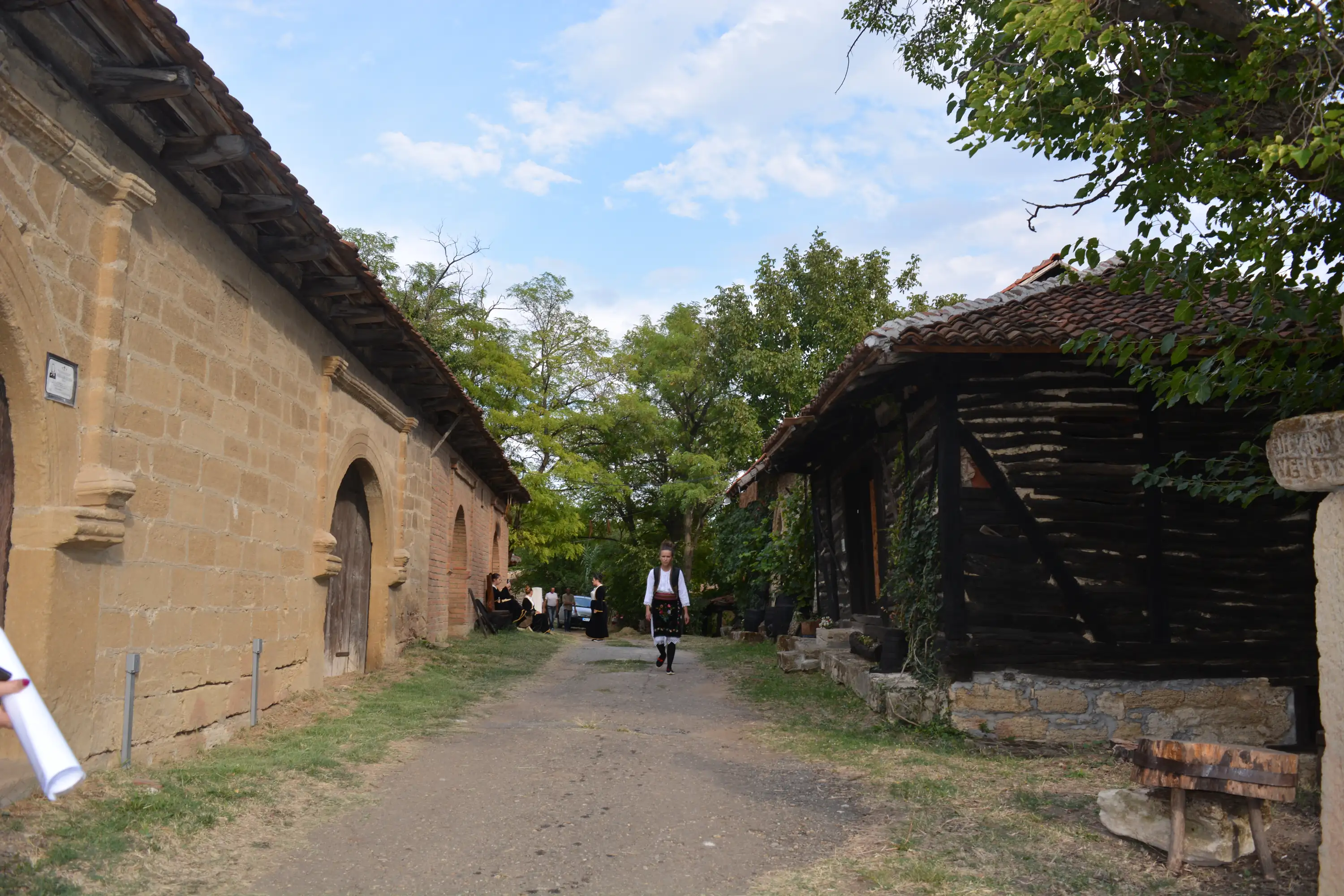
Description: Many stories have been written so far about the vineyard area and villages in the Timok area, particularly about Rajac and Rogljevo. These are the well-known settlements where centuries ago stone cellars for storing wine – the famous wine cellars, were built. Many wine lovers from Serbia and Europe became well-aware of the quality of the wine (“the drink of the Gods”) from this specific geographical area, long time ago. However, the folk legends about the origin of the names of the villages of Rajac and Rogljevo and their wine cellars remained somehow unnoticed.
According to one of the legends, via Timok, in the today’s village of Aleksandrovac, which, in the documents of the Ottoman Empire from the middle of the 15th century, was registered as the village of Zlokuce (“the evil houses”), there lived a Turk who widely cultivated vines. He used to take the villagers from Rajac to work in the vineyard. During the time of seasonal works on the property of the Turk, those people slept in huts in very difficult conditions. The legend that these were “evil houses” was preserved over time, and that’s why the Turkish village was called Zlokuce. The neighboring village from where the workers were coming was named Rajac.
Another, not so-known legend from the time when God “was travelling over the Earth”, was written down. On one occasion, when God was on the territory of Krajina, he was amazed by the beauty of the Timok area, the sun’s rays on the dewy grass and the scent of the violets and decided to spend some time in the place that reminded him of Paradise (Raj). He immediately named that place below the wine cellars Rajac.
Continuing the journey through the earthly realm, God soon arrived at the neighboring village made of only 6 houses, built in the stream – as in a horn (Rog). “Is it possible that a village like this exists?” wondered God. He immediately ordered the clerk to name that place Rogljevo. He talked to the residents who tried to express their “respect” towards God: they served him moldy bread and rotten cheese. Because of the food poisoning and intoxication (bljuvanje), as a result of people’s “respect”, God named the neighboring village Bljuvanovac. Today it is the village of Veljkovo. God also called a village through which he passed, Mokranje, as a result of later torments suffered along his journey. The village kept its name.